
Quick answer: Choosing a BLAST program means picking the right flavour for your question. Use blastn for DNA against DNA, blastp for protein against protein, blastx for translated DNA against protein, tblastn for protein against translated DNA, and tblastx for translated DNA on both sides. Search protein databases when protein sequences are scarce.
Table of Contents
Learn Choosing the BLAST Program
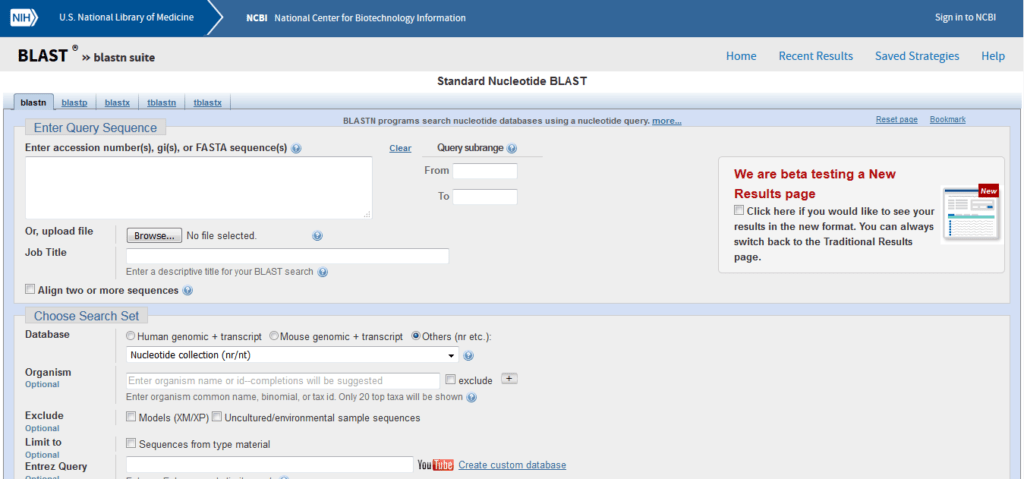
Without describing the majority of the choices introduced on the homepage, how about we get directly into it with a default BLASTN look. Pick “Standard nucleotide-nucleotide BLAST
Inputting the Query Sequence
In the wake of picking the sort of inquiry you need to perform, the subsequent stage is to characterize the sequence with which to seek. There are three choices for this: glue in the uncovered sequence, glue in a record in FASTA format, or enter a legitimate NCBI identifier. You can simply begin composing a sequence in the pursuit box; in any case, when the inquiry is done, there will be no identifier to depict the sequence you entered. After a few such inquiries, the absence of an identifier will make it hard to monitor which results go with which sequence. The second alternative enables you to characterize the sequence utilizing the FASTA format. in any case, the fundamental particulars are that it’s a content record starting with a more prominent than sign (>) trailed by an identifier and a definition line, which is then continued by the one-letter nucleotide or peptide sequence on subsequent lines. Let’s use the following sequence:
>KY436756.1 Metarhizium rileyi small subunit ribosomal RNA gene, partial sequence; internal transcribed spacer 1, 5.8S ribosomal RNA gene, and internal transcribed spacer 2, complete sequence; and large subunit ribosomal RNA gene, partial sequence TCCGTAGGTGAACCTGCGGAGGGACCATTACCGAGTTTACAACTCCCAAACCCCATGTGAACTTATACCC TTTTCCTGTTGCCTCGGCGGGTCATTTGCCCCGGACCGGGCTCGTCCAGAGCCCGCCCGGAAACAGGCGC CCGCCGCGGGACCGAAACTCTGTATCTCTTAGCCTTTGGCACGTCTGAGTGGAATCATACAAAAATGAAT CAAAACTTTCAACAACGGATCTCTTGGTTCTGGCATCGATGAAGAACGCAGCGAAATGCGATAAGTAATG TGAATTGCAGAATTCAGTGAATCATCGAATCTTTGAACGCACATTGCGCCCGCCAGTATTCTGGCGGGCA TGCCTGTTCGAGCGTCATTTCAACCCTCAAGCCCCCGCGGTTTGGTGTTGGGGGCCGGCGATTGTCAGCT GGGCCGCTCAGGCGGTTCCCTGCGGCGCCGCCCCCGAAATGAATTGGCGGCCCCGTCGCGGCCTCCTCTG CGTAGTAGCACAACCTCGCAACAGGAGCGCGGCGCGGCCACTGCCGTAAAACGCACAAACTTCTCCAAGA GTTGACCTCGAATCAGGTAGGAATACCCGCTGAACTTAAGCATATCAATAAGCGGAGGARelated: Picking the right program is step one; step two is reading the output — our guide on how to interpret BLAST results covers E-value, bit score, identity and coverage.
Related: Alignment is not the only thing short reads are used for — see genome assembly guide.
Related: Aligning reads is not only a search problem, it is also how differences from a reference are found — see our variant calling guide.
Now that you have learnt about Choosing the BLAST Program, If you want to learn Bioinformatics as coursework with a certificate. Check our Bioinformatics course from Ampersand Academy. Also, read about Bioinformatics Job Scope.
Frequently asked questions
What is the difference between blastn and blastp?
blastn compares DNA or RNA sequences to each other, while blastp compares protein sequences to protein databases.
When should I use blastx?
Use blastx when you have a DNA coding sequence but no known protein, and you want to find protein relatives.
Does a low BLAST E value always mean a real match?
No. Check coverage, identity, and query quality too, because short low complexity regions can produce misleadingly strong scores.
Last updated on · Written by Vijay Gladwin