
Quick answer: Autotrophs are organisms that make their own organic food from inorganic sources, so they sit at the base of nearly every food chain. Photoautotrophs such as plants, algae, and cyanobacteria use sunlight, while chemoautotrophs such as certain bacteria oxidize inorganic chemicals. Both fix carbon dioxide into sugars that power all other life.
Autotrophs are Manufacturers of Food
An Autotroph – “ Self-Feeding”, from the Greek autos “Self” and trope “Nourishing”, is an organism that fabricates complex organic compounds such as carbohydrates, fats, and proteins from simple substances present in its surroundings. In short, they are the producer organisms that can make their food by photosynthesis or chemosynthesis and occupy the first trophic level.
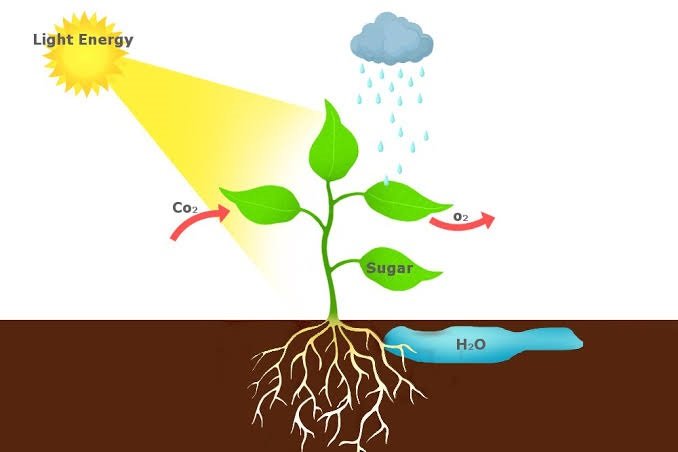
Photoautotrophs – Manufacturers of Food by Photosynthesis
Photoautotrophs are autotrophic organisms that carry out photosynthesis using energy from sunlight, carbon dioxide as terminal electron acceptor and water, converted into organic materials used in cellular functions such as biosynthesis and respiration. There are fabricators in a food chain like plants on land and algae on the water (Eukaryotes). In the case of Prokaryotes, Purple Sulphur bacteria and Cyanobacteria are photoautotrophic prokaryotes.
Chemotrophs – Manufacturers of Food by chemosynthesis
Chemotrophs are organisms that make their food by chemosynthesis. It is a process that synthesises organic compounds from carbon dioxide using chemical energy by utilising inorganic compounds like hydrogen sulphide, sulphur, ammonium and ferrous iron as reducing agents found in hostile environments like deep-sea vents, where light cannot easily penetrate.
Examples: Methanogens, Halophiles, Nitrifiers, Thermoacidophiles
Lithotrophs
Lithotrophs are consumers of rocks. They are autotrophs that use an inorganic substrate of mineral origin as reducing agents or electron donors for the biosynthesis of organic compounds. Hence they are also called Chemolithotrophs. They produce a particular toxin that dissolves the minerals present in the rocks.
Examples: Purple sulphur bacteria, Nitrifying bacteria, and Hydrogen oxidisers.
Also, check out our post about Saprophytes.
Official documentation
For the full reference behind this guide, read the reference article on autotrophs. It is the source the details above are drawn from, and the first place to check when an option or attribute name changes.
Frequently asked questions
What is the main food of autotrophs?
u003cpu003eCarbon dioxide, which they fix into sugars using light energy or chemical reactions. Everything they build rests on that carbon.u003c/pu003e
What is the difference between autotrophs and heterotrophs?
u003cpu003eAutotrophs build food from inorganic sources, while heterotrophs, including animals and fungi, eat other organisms.u003c/pu003e
Are chemoautotrophs used by humans?
u003cpu003eYes, some are commercial microbes used to produce vitamins, amino acids, and other industrial compounds.u003c/pu003e
Last updated on · Written by Vijay Gladwin